




 ₹https://centres.sipabacus.com/near-me/centers-in-coimbatore/centers-in-saravanampatti/sip-abacus-in-saravanampatti-coimbatore--2TztNy/articles/how-the-right-math-classes-for-kids-improve-confidence-focus-and-mental-maths-skills--8a04f044-6dad-44fb-95f3-2f693ff41921
SIP Abacus, Saravanampatti, coimbatore
Abacus & Skill Development Centers in Saravanampatti, Coimbatore, Tamil Nadu
No 14/141, Second Street, Chitra Nagar, Behind Hotel Aryaas, Saravanampatti, coimbatore, tamil nadu - 641035
Admission Enquiry Form
SIP Abacus Social Feeds in Saravanampatti, coimbatore
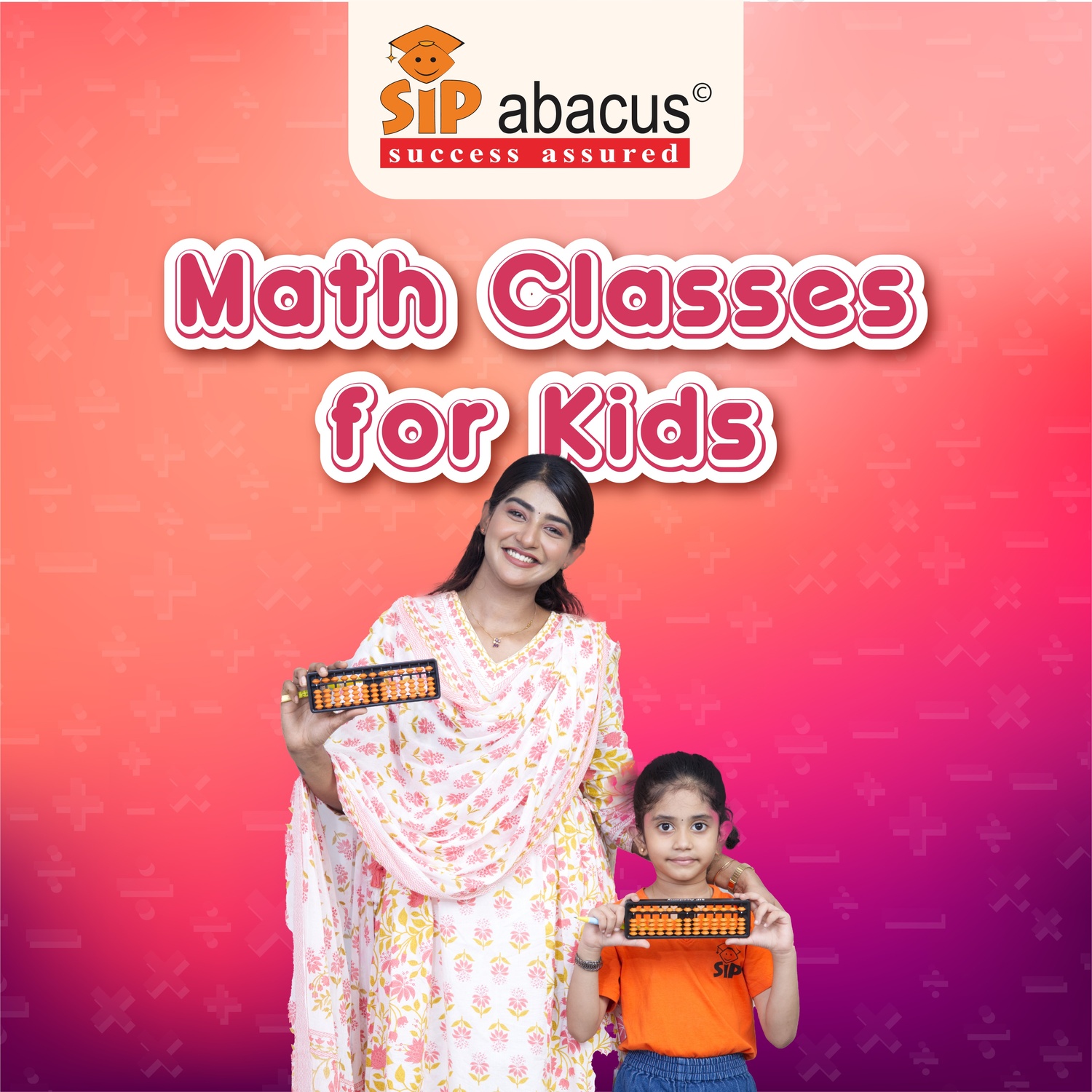
How the Right Math Classes for Kids Improve Confidence, Focus, and Mental Maths Skills
Introduction
Many children begin their educational journey with curiosity and enthusiasm, but mathematics can sometimes become a subject they fear. Fortunately, the right math classes for kids can transform this experience by making numbers enjoyable, interactive, and easy to understand.
Instead of focusing only on textbook learning, programmes like SIP Abacus help children develop strong numerical abilities while improving concentration, memory, and cognitive skills that benefit every aspect of learning.
Why Traditional Learning Is Not Always Enough
School mathematics provides the academic syllabus, but every child learns at a different pace.
Some children may need additional support to:
Build confidence
Strengthen number concepts
Improve calculation speed
Reduce fear of mathematics
Supplementary maths classes provide personalised learning that complements school education.
What Makes Great Math Classes for Kids?
Effective maths programmes should encourage children to think rather than memorise.
Look for programmes that include:
Interactive learning
Hands-on activities
Progressive skill development
Mental arithmetic practice
Small learning milestones
Positive encouragement
Children remain motivated when learning feels enjoyable rather than stressful.
How SIP Abacus Makes Learning Different
SIP Abacus follows a structured programme designed to develop children's overall cognitive abilities alongside mathematical skills.
The programme focuses on improving:
Numerical Ability
Children become comfortable working with numbers through regular practice.
Concentration
Activities encourage sustained attention during learning sessions.
Visualisation Skills
Children learn to visualise numbers mentally, making calculations quicker and more accurate.
Memory Development
Regular exercises improve retention and recall, supporting performance across different school subjects.
Listening and Observation
Interactive classroom activities help children become better learners by improving their listening and observation skills.
How Mental Maths Helps Every Day
Mental calculation skills extend beyond school examinations.
Children use these abilities while:
Estimating prices
Managing time
Solving puzzles
Playing strategy games
Understanding measurements
Making everyday decisions
Strong numerical thinking becomes a valuable lifelong skill.
Supporting Overall Brain Development
Abacus training stimulates both sides of the brain through visualisation and hand coordination.
This contributes to improvements in:
Creativity
Logical reasoning
Analytical thinking
Problem-solving
Speed
Accuracy
These skills often benefit academic performance across multiple subjects.
The Importance of Consistent Practice
Learning mathematics is similar to developing any new skill.
Children improve through:
Regular practice
Positive reinforcement
Step-by-step learning
Consistent guidance
Structured programmes help children remain motivated while gradually increasing their confidence.
How Parents Can Encourage Maths Learning
Parents play an important role in helping children enjoy mathematics.
Simple ways include:
Praising effort instead of perfection
Encouraging mental calculations during daily activities
Playing number games
Maintaining regular study routines
Supporting classroom learning with additional practice
A positive attitude towards maths often leads to better learning outcomes.
Why Parents Trust SIP Abacus
SIP Abacus has designed its learning methodology to help children build strong mathematical foundations while developing important cognitive abilities. Through structured modules and engaging activities, children gain confidence, improve concentration, and become faster and more accurate in calculations.
Conclusion
Choosing the right math classes for kids is an investment in your child's future. Strong mathematical abilities, improved concentration, better memory, and greater confidence help children perform well both inside and outside the classroom.
SIP Abacus combines structured learning with enjoyable activities that help children strengthen their maths skills while developing the cognitive abilities needed for long-term academic success. Parents looking to nurture confident, capable learners can benefit from a programme designed to make mathematics both meaningful and enjoyable.